


Where is Machu Picchu? Exploring the Iconic Inca Citadel
Machu Picchu is one of the world’s most renowned archaeological sites, but where exactly is Machu Picchu located, and what makes it so captivating? Let’s delve into the mysteries of this ancient Inca citadel.
- Location of Machu Picchu
Machu Picchu is a globally renowned archaeological site located in South America, specifically in Cusco – Perú. Its geographical location is nothing short of astounding, situated high in the Peruvian Andes. Machu Picchu occupies an awe-inspiring position at an altitude of approximately 2,430 meters (7,970 feet) above sea level.
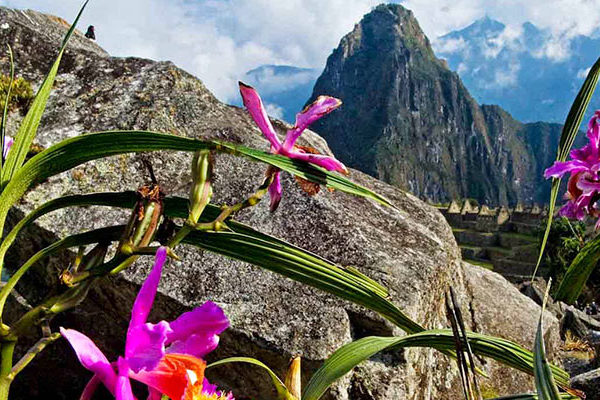
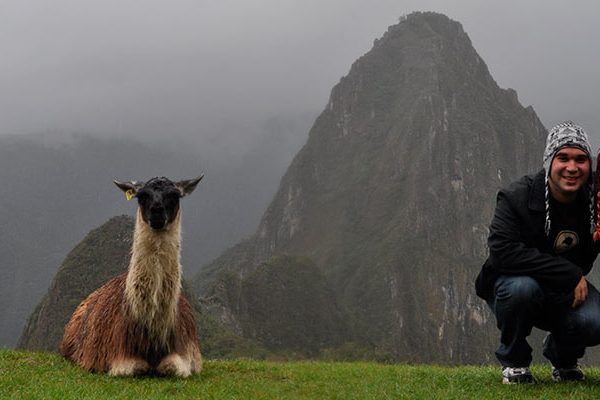
This iconic archaeological site is strategically nestled between two notable mountain peaks: Machu Picchu (Old Mountain) and Huayna Picchu (Young Mountain). The majestic geography of the region adds a unique dimension to Machu Picchu’s beauty and contributes to its status as one of the world’s most iconic destinations.
- Discovery and Significance
The discovery of Machu Picchu is a captivating tale that adds to the allure of this remarkable site. Here’s a closer look at its rediscovery and historical significance:
- Rediscovery by Hiram Bingham: Machu Picchu remained concealed from the Western world until its rediscovery by American historian and explorer Hiram Bingham in 1911. Bingham’s expedition unveiled this hidden jewel, bringing it to the attention of the global community.
- Hidden Gem: The remote location, nestled high in the Andes and shrouded by lush greenery, had kept Machu Picchu hidden from the knowledge of outsiders for centuries. Its obscurity only enhanced its mystery and appeal.
- Cultural and Historical Significance: Machu Picchu’s significance lies not only in its architectural marvel but also in its cultural and historical importance. It is believed to have served as a royal estate for the Inca emperor Pachacutec, a ceremonial center, and a retreat for nobility. This blend of historical roles makes Machu Picchu a unique window into Inca civilization.
The rediscovery of Machu Picchu by Hiram Bingham brought it to the world’s attention, and its subsequent recognition as a UNESCO World Heritage Site in 1983 solidified its status as a cultural treasure of global significance.
- Architecture and Layout
The architecture and layout of Machu Picchu are truly exceptional, reflecting the prowess of the Inca civilization. Let’s delve into the architecture and layout of this astonishing citadel in detail:


- Precise Stone Structures: Machu Picchu is characterized by its meticulous construction using precisely fitting stone blocks. The Incas achieved such perfection in stone fitting that mortar was often unnecessary. This has perplexed archaeologists and highlighted the skill of Inca builders.
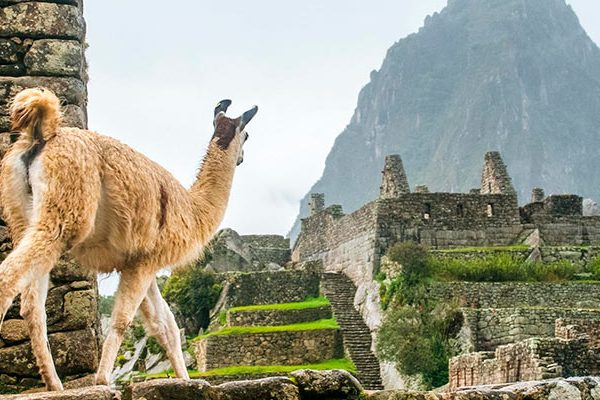
- Agricultural Terraces: The site features extensive agricultural terraces constructed on the mountainsides. These terraces were not only functional for farming but also contributed to the stability of the structures.
- Temple of the Sun: One of the architectural highlights of Machu Picchu is the Temple of the Sun, a semi-circular structure that stands out for its design and location. It is strategically oriented to align with important astronomical events.
- Intihuatana Stone: Another significant feature is the Intihuatana stone, a carved ritual stone believed to be related to Inca astronomy and spirituality. Its name translates to “where the sun is tied” in Quechua.
- Room of the Three Windows: This room is another showcase of Inca architectural skill. It has three trapezoidal windows that frame an impressive panoramic view of the surroundings.
- Urban Design: The urban layout of Machu Picchu includes plazas, courtyards, and narrow streets that intertwine in an organized manner. This suggests careful planning to accommodate life and activities within the citadel.
The architecture and layout of Machu Picchu impress not only for their aesthetic beauty but also reveal the mastery of the Inca civilization in engineering and construction. These structures continue to be a lasting testament to the skill and vision of the Incas.
- Purpose and Mystery
Machu Picchu is shrouded in enigma and intrigue, with its purpose and many aspects of its history still sparking debates among historians and archaeologists. Here, we delve into the purpose and the enduring mysteries of this remarkable site:
- Purpose: The primary purpose of Machu Picchu has long been debated. While it is widely accepted that it served as a royal estate for the Inca emperor Pachacutec, its multifaceted role is a subject of ongoing study. Some theories suggest it was a ceremonial center, while others propose it had astronomical or religious significance.
- Abandonment: One of the enduring mysteries of Machu Picchu is why it was abandoned. It is believed to have been abandoned during the Spanish Conquest, but the exact reasons remain unclear. Theories range from the threat of disease brought by the Spanish to an uprising against the Inca.
- Lost City: Machu Picchu’s remote location and the fact that it was not widely known to the Spanish conquistadors contributed to its “lost city” status. It remained hidden from the Western world until its rediscovery in 1911.
- Astronomical Significance: Some researchers suggest that Machu Picchu’s layout may have had astronomical significance, with certain structures aligned to celestial events such as solstices and equinoxes. This adds to the mystique surrounding its purpose.
- Intricate Architecture: The precise stone construction and intricate architecture of Machu Picchu continue to astonish scholars. The city’s layout incorporates water channels, temples, plazas, and terraces, all showcasing Inca engineering and design expertise.
Machu Picchu’s purpose and mysteries continue to be subjects of fascination and ongoing research. While many questions persist, its cultural and historical significance as an extraordinary Inca archaeological site is undisputed.
- UNESCO World Heritage Site
Machu Picchu is a site of immense significance that has been recognized and protected by UNESCO as a World Heritage Site. Here, we delve into this distinction and its significance in detail:
- Designation: In 1983, Machu Picchu was designated as a UNESCO World Heritage Site. This designation acknowledged its exceptional cultural and historical value and its importance to humanity.
- Selection Criteria: Machu Picchu fulfills several selection criteria for being a UNESCO World Heritage Site. These criteria include its outstanding representation of a cultural tradition, its contribution to the history of humanity, and its significance as an example of architectural and technological development.
- Conservation: The designation as a World Heritage Site also entails the responsibility to conserve and protect the site. Measures have been implemented to ensure the preservation of the structures and the natural environment of Machu Picchu.
- Sustainable Tourism: UNESCO works closely with Peru to promote sustainable tourism at Machu Picchu. This includes visitor management and the preservation of the site for future generations.
- Cultural Significance: Machu Picchu is an exceptional testament to the architectural skill and astronomical knowledge of the Inca civilization. Additionally, its location in a stunning natural setting adds further cultural value.
- Global Recognition: The designation as a UNESCO World Heritage Site has propelled Machu Picchu to global fame. Today, it stands as one of the most iconic and visited tourist destinations in the world.
The UNESCO World Heritage status bestows upon Machu Picchu a special place in world history and culture. This recognition reinforces its significance as a cultural and archaeological treasure that must be preserved for future generations.
-

- Rute to Machu Picchu
-

- Machu Picchu desde camino inca


-

- Machu Picchu
- Visiting Machu Picchu
Visiting Machu Picchu is a dream for many travelers around the world. Here, we provide essential information on how to plan and make the most of your visit to this iconic site:
- Tickets: To enter Machu Picchu, you need to purchase tickets in advance. There are several ticket options, including entrance tickets to the citadel itself and additional tickets for attractions like Huayna Picchu or Machu Picchu Mountain. Make sure to buy your tickets well in advance, especially during the high season.
- Guided Tours: While it’s possible to explore Machu Picchu independently, many visitors opt for guided tours. Professional guides can provide valuable insights into the history, culture, and significance of the site. They can also help you navigate the complex.
- Access and Transportation: The most common way to reach Machu Picchu is by taking a train to the town of Aguas Calientes and then a bus to the citadel. Alternatively, some adventurous travelers embark on the multi-day Inca Trail trek, which includes a visit to Machu Picchu as the final destination.
- Weather and Seasons: The weather at Machu Picchu can vary greatly depending on the season. The dry season (May to October) is the most popular time to visit, but even during this period, rain showers can occur. The wet season (November to April) is less crowded but comes with heavier rainfall.
- Altitude Considerations: Machu Picchu is situated at a high altitude, so it’s essential to acclimatize properly to avoid altitude sickness. Spending a day or two in Cusco or the Sacred Valley before your visit can help.
- Responsible Tourism: Visitors are expected to follow responsible tourism practices at Machu Picchu. This includes respecting the site’s rules, staying on designated paths, and not touching or climbing on the ancient structures.
- Time of Visit: Arriving early in the morning or late in the afternoon can help you avoid the crowds and enjoy a more tranquil experience. Guided tours often start early to make the most of the day.
- Photography: Machu Picchu is a photographer’s paradise, but be mindful of the rules regarding tripods and professional equipment. Drones are strictly prohibited.
- Hydration and Supplies: Carry a refillable water bottle, snacks, and sunscreen. There are limited facilities within the citadel, so it’s essential to be prepared.
Visiting Machu Picchu is an unforgettable experience, and careful planning ensures you make the most of your journey to this awe-inspiring archaeological wonder.
- Preservation and Conservation
Preservation and conservation efforts at Machu Picchu are paramount to ensure that this invaluable archaeological site remains in optimal condition for future generations. Here, we delve into the dedicated efforts towards its preservation:
- Tourism Impacts: The constant influx of visitors to Machu Picchu can have a significant impact on the site. Erosion, pollution, and wear and tear on structures are key concerns. To address this, daily visitor limits and strict rules have been implemented to maintain the site in good condition.
- Restoration: Over the years, restoration projects at Machu Picchu have been carried out to repair and preserve structures damaged by time and human activity. These efforts are undertaken using traditional techniques and indigenous materials to maintain the site’s authenticity.
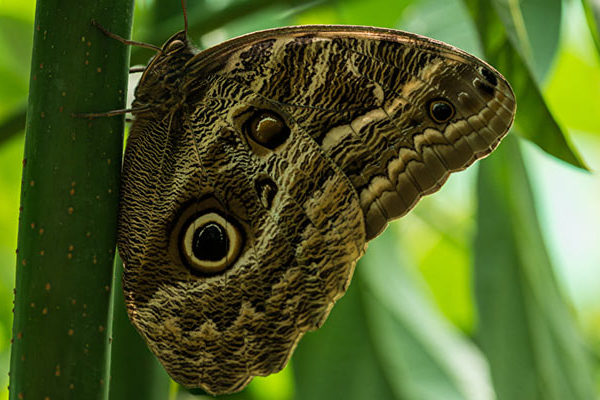
- Conservation of Natural Surroundings: In addition to the structures, conserving the natural environment surrounding Machu Picchu is essential. Local flora and fauna play a significant role in the region’s ecology, and measures are in place to protect it.
- Archaeological Research: Ongoing research is crucial to better understand the history and culture of Machu Picchu. Archaeologists and scientists work at the site to make new discoveries and enhance the interpretation of the Inca past.
- Sustainable Management: Sustainable management is a key focus to ensure Machu Picchu’s preservation. This includes practices of responsible tourism, waste policies, and careful infrastructure planning.
- International Collaboration: The preservation of Machu Picchu is a global concern. International organizations and foreign governments collaborate with Peru on site conservation.
- Education and Awareness: Education and awareness programs for visitors and local communities are conducted. The goal is to promote respect for the cultural and natural heritage of Machu Picchu.
- Legislation and Regulation: Peru has established strict laws and regulations to protect Machu Picchu. This includes the prohibition of illegal activities such as unauthorized excavation or vandalism.


The preservation and conservation of Machu Picchu are essential to ensure that this iconic site remains a cultural and archaeological treasure for future generations. Ongoing efforts in this direction are crucial to maintain its beauty and authenticity.
Machu Picchu’s enigmatic beauty and historical significance continue to captivate those who visit. Its location high in the Andes, remarkable architecture, and the aura of mystery that surrounds it make Machu Picchu an extraordinary destination that leaves a lasting impression on all who experience it.
Si te gustó este artículo y la información que encontraste, ¡regálanoss 5 estrellas!
 (Ninguna valoración todavía)
 Loading...

Share on FacebookShare
Share on Twitter Share